Alright, let’s talk about something that’s potentially HUGE for how we send money across borders. The Reserve Bank of India (RBI) and the National Payments Corporation of India (NIPL) are teaming up to link UPI , our very own Unified Payments Interface, with the European Central Bank’s (ECB) TIPS (Target Instant Payment Settlement) system. That’s right, UPI is heading to Europe! But what does this actually mean for you and me? It’s not just some technical upgrade; it has the potential to change how we think about international transactions.
Why This Matters | The Analyst’s Take
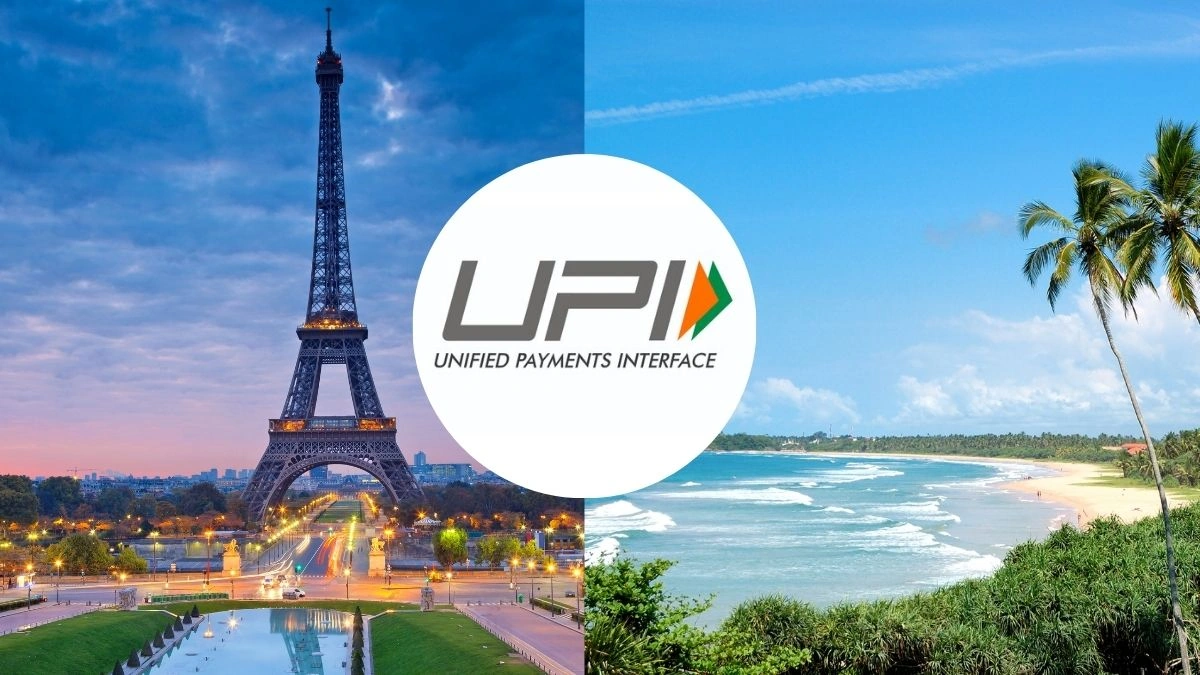
Here’s the thing: this isn’t just about making it easier for tourists to buy gelato in Italy (although that’s a nice perk, of course!). It’s about a fundamental shift in the global payments landscape. UPI has been a game-changer in India, revolutionizing how we handle everyday transactions. Its success has caught the eye of other nations. This integration with TIPS signals a broader acceptance of instant payment systems worldwide. Why is that significant? Because it challenges the dominance of traditional payment networks (think credit cards) and opens the door to more competition, potentially leading to lower fees and faster transfers. And what’s fascinating is the potential impact on the Indian economy. Increased accessibility for international payments could boost trade and investment.
But, it’s not all sunshine and roses. There are challenges, of course. Interoperability between different systems can be tricky. Different countries have different regulations and security standards. Ensuring a seamless and secure experience for users will be paramount. However, the fact that the RBI and NIPL are even attempting this is a testament to India’s leadership in the digital payments space.
How Will This Work? A Simplified Guide
Okay, let’s break down how this integration might actually work. Imagine you’re an Indian student studying in Germany. Today, if you need to send money home, you’d likely use a remittance service like Western Union or a bank transfer, which can involve fees and delays. With the UPI -TIPS integration, you could potentially use your UPI app to directly send money to your family’s bank account in India. The transfer would happen instantly, and the fees would likely be lower.
Here’s a simplified view:
- You initiate a payment through your UPI app.
- The UPI system communicates with the TIPS system.
- TIPS processes the payment in Euros.
- The Euros are converted to Rupees (or another agreed-upon currency).
- The Rupees are deposited into the recipient’s bank account in India.
Of course, there will be complexities behind the scenes, including currency conversion rates, security protocols, and compliance with regulations. The exact details are still being worked out. But, the overall goal is to make the process as smooth and transparent as possible. This is not just limited to individuals. Businesses that frequently transact with European partners will benefit from faster and cheaper payments. Think of exporters receiving payments for their goods or importers paying their suppliers. The reduction in transaction costs could significantly improve their bottom line.

The Emotional Angle | A Story of Convenience
Let’s be honest – dealing with international money transfers can be a real pain. Remember the last time you had to send money to a relative abroad? The forms, the fees, the uncertainty… it can be incredibly stressful. What this UPI integration promises is a future where sending money across borders is as easy as sending money to your friend for splitting the bill at a restaurant. That’s a powerful emotional connection. It’s about removing friction and anxiety from a process that’s often fraught with both. And what I find truly remarkable is the potential for financial inclusion. For many people in India, especially those in rural areas, accessing formal financial services can be a challenge. UPI has already made a huge difference in this regard, and its expansion into Europe could further empower individuals by providing them with a convenient and affordable way to participate in the global economy. Learn more about TIPS.
Challenges and the Road Ahead
While the future looks promising, there are hurdles to clear. Security is paramount. Ensuring secure transactions across different systems and geographies is crucial. Fraud prevention measures need to be robust and adaptable. Regulatory compliance is another key area. Different countries have different rules regarding money transfers and data privacy. The UPI -TIPS integration needs to comply with all applicable regulations in both India and Europe.
The good news is that the RBI and NIPL have a proven track record of innovation and collaboration. They’ve already demonstrated their ability to create a world-class payment system in India. And what excites me the most is the potential for further innovation. As UPI expands globally, we can expect to see new features and services emerge. Perhaps we’ll see integration with other payment systems or the development of new cross-border payment solutions tailored to specific industries.
Cross-border Payments: The Future is Now
The integration of UPI with ECB’s TIPS is more than just a technical upgrade; it’s a glimpse into the future of global payments. It’s a future where sending money across borders is seamless, affordable, and accessible to everyone. India is leading the way in this revolution, and the world is watching. It’s a moment to be excited about. Let’s embrace the future of transactions.
FAQ Section
Will this integration reduce transaction fees for international transfers?
Potentially, yes. One of the main goals of this integration is to lower the costs associated with cross-border payments by cutting out intermediaries and streamlining the process.
When will this UPI-TIPS integration be fully implemented?
The exact timeline is still under development, but both RBI and NIPL are working towards a phased rollout. Keep an eye on official announcements for updates.

Is my money safe when using UPI for international transactions?
Security is a top priority. Both UPI and TIPS have robust security measures in place to protect your data and prevent fraud. However, it’s always a good idea to be cautious and follow best practices for online security.
Will this work with all banks in India?
The integration will likely be rolled out in phases, starting with major banks. Over time, more banks are expected to join the network, expanding accessibility for all UPI users.
What currencies will be supported initially?
Initially, transactions will likely be processed in Euros. The system may expand to support other currencies in the future.
How will this benefit Indian businesses?
Indian businesses that trade with European partners can benefit from faster and cheaper payments, which can improve their cash flow and profitability.
Disclaimer: ऊपर दिए गए विचार और सिफारिशें व्यक्तिगत विश्लेषकों या ब्रोकिंग कंपनियों की हैं, न कि "Finance Ghar" की। हम निवेशकों को सलाह देते हैं कि किसी भी निवेश निर्णय लेने से पहले प्रमाणित विशेषज्ञों से परामर्श करें। निवेश में जोखिम होता है और सही जानकारी के बिना निर्णय लेना हानिकारक हो सकता है।